
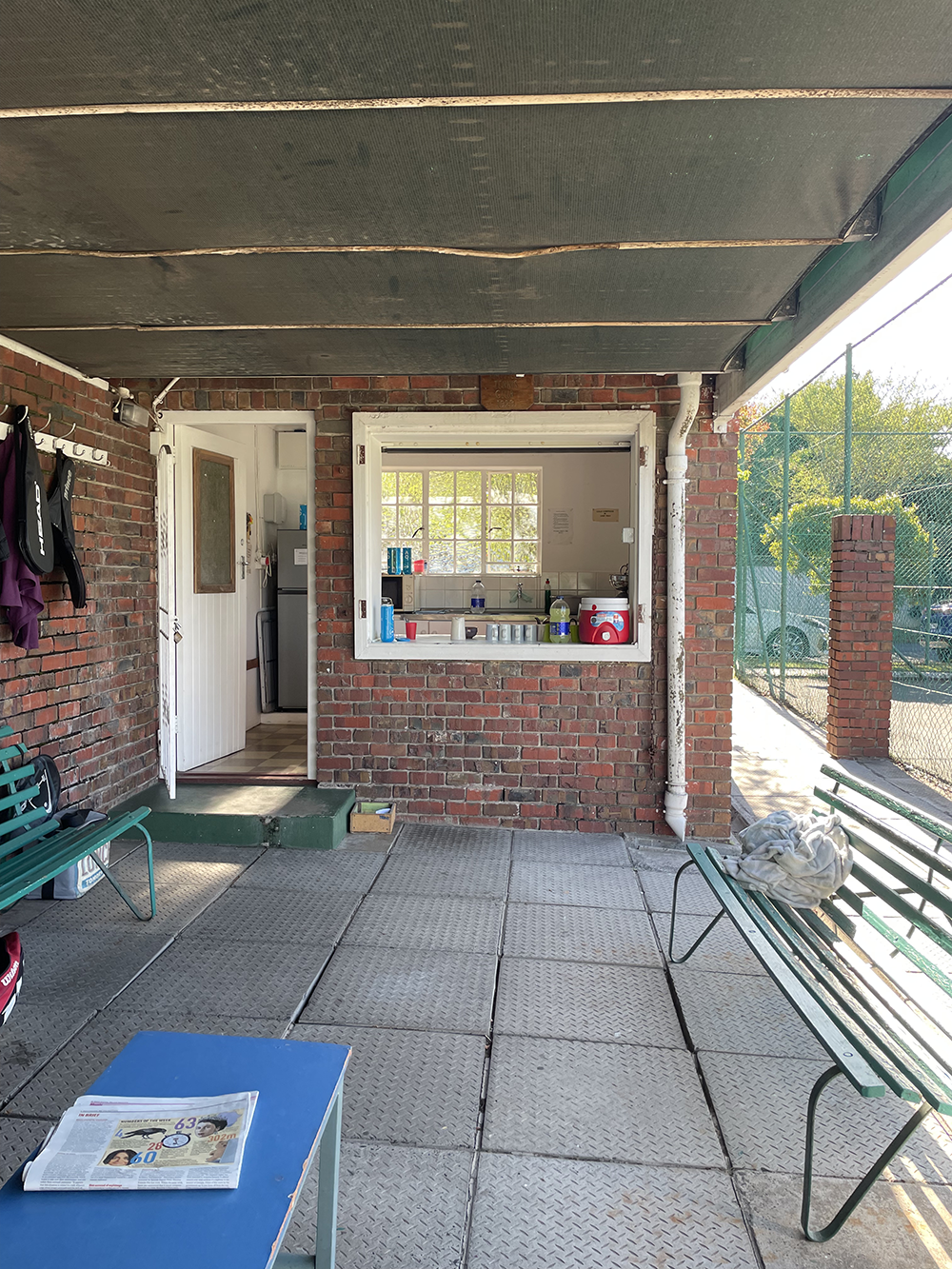
Mayfield Tennis Club House 1929 to 1985
November 23, 2025
Mayfield Tennis Club Tournaments
November 23, 2025
In common with most clubs, the financial position of the Club fluctuated over the years but it always remained solvent.
The original subscription was one guinea for ladies and gentlemen and the total expenses for the first year were £7.15.10d including the purchase of crockery, cutlery and tennis balls.
The subscription remained the same until 1933 when it was increased to £1.5.0d. The gentlemen’s subscription was increased to £1.11.6d subsequently but no further increases occurred until 1945.
Because lady members were required to provide tea on Saturday afternoons, it became customary to levy a slightly lower subscription for them. This practice continued until 1979 when “women’s lib” reared its head and thereafter, gentlemen members were also required to take tea duty. Differential subscription rates were then eliminated.
By 1965 the subscription for gentlemen had risen to RIO (ladies R9) and by 1980 to R25 irrespective of sex.
Entrance fees were imposed from time to time depending on the state of the Club Membership and in 1964 were waived completely to encourage new members.
Over the years, lower scales of subscriptions were provided for other classes of membership.
In an endeavour to cover the cost of balls, a 5c charge for tea was introduced in 1967 (increased to lOc in 1970). In 1979 to meet the rising cost of balls, a playing fee of 30c on Saturday and 20c on Tuesdays and Thursdays was adopted in lieu of a charge for tea.
During the first 50 years of the Club’s existence, the Committee found it necessary to appeal five times to members to finance capital expenditure as follows:
- In March, 1933 a Special General Meeting decided to institute a £5 loan scheme to cover the cost of a second gravel court. £95 was subscribed, no interest was paid and all certificates had been redeemed by August, 1938.
- On 29th January, 1948 members agreed to support a £5 debenture scheme to provide funds to construct a third gravel court. £200 was subscribed, all of which was repaid by August, 1955.
- At the Annual General Meeting in 1959, a new debenture scheme was launched to provide funds to convert Court No. 3 to all-weather. £305 was subscribed and this was repaid by August, 1964.
- In 1966 the Committee finally decided to convert Courts 2 and 4 to all-weather and raised R2 200 from members in R20 units bearing interest at 5% per annum. These units were repaid by 1972.
- Finally in 1979 R4 900 was raised from members by a debenture issue to finance the cost of Court No. 1 and a practice wall. These units had been redeemed by 1985 and at that time the Club’s finances were in a very healthy state.
FINANCE (Continued)
1986 to 2006
Subscriptions were increased by R5 per category per year from 1980 and by 1990 the fee for full membership was R40. This trend continued and by 2006 the subscription for full members was R125, with entrance fees remaining at R100 per family. It is interesting to note that subscriptions at other tennis clubs at this time were in the region of R750 per annum.
Unlike the first 50 years in the life of the Club when it was necessary to appeal to members on five occasions to assist by way of debentures to finance capital expenditure, the finances of the Club were in such a healthy position that all improvements were funded from accumulated funds.
In 1986 the accumulated funds stood at R7 600 and steadily increased to R97 000 by 2006. This was due largely to there being no extra-ordinary outlays other than court maintenance.
Although the Constitution required the office bearers to be elected for a maximum of three consecutive years, the members at every Annual General Meeting from 1990 to date, voted for Mark Lancaster to retain the treasurer’s portfolio.
In 1990 the Club’s lease with the City of Cape Town Council expired and was renewed for a further 10 years. At the expiry of this term representation was made for a further 10 year extension but to date no confirmation has been forthcoming and the Club simply pays the rental charged by the Council which differs from year to year.
Membership cards were introduced in 1987 in an effort to prevent non-members from using the courts. These cards were renewed annually and initially proved to be successful. However by 1991 the production of these cards was too expensive and was replaced by a sticky label which is supplied each year (in a different colour) to be placed on the end of the members’ racquets. This system has proved to be very successful.
Because of the growth in surplus funds members agreed that R15 000 be invested in Unit Trusts, and an initial R7 500 was invested in Guardbank Growth Funds. In 1999 these units were sold at a loss of R1 586. Surplus funds have since then been held on call deposit.
1929 to 1985
In common with most clubs, the financial position of the Club fluctuated over the years but it always remained solvent.
The original subscription was one guinea for ladies and gentlemen and the total expenses for the first year were £7.15.10d including the purchase of crockery, cutlery and tennis balls.
The subscription remained the same until 1933 when it was increased to £1.5.0d. The gentlemen’s subscription was increased to £1.11.6d subsequently but no further increases occurred until 1945.
Because lady members were required to provide tea on Saturday afternoons, it became customary to levy a slightly lower subscription for them. This practice continued until 1979 when “women’s lib” reared its head and thereafter, gentlemen members were also required to take tea duty. Differential subscription rates were then eliminated.
By 1965 the subscription for gentlemen had risen to RIO (ladies R9) and by 1980 to R25 irrespective of sex.
Entrance fees were imposed from time to time depending on the state of the Club Membership and in 1964 were waived completely to encourage new members.
Over the years, lower scales of subscriptions were provided for other classes of membership.
In an endeavour to cover the cost of balls, a 5c charge for tea was introduced in 1967 (increased to lOc in 1970). In 1979 to meet the rising cost of balls, a playing fee of 30c on Saturday and 20c on Tuesdays and Thursdays was adopted in lieu of a charge for tea.
During the first 50 years of the Club’s existence, the Committee found it necessary to appeal five times to members to finance capital expenditure as follows:
- In March, 1933 a Special General Meeting decided to institute a £5 loan scheme to cover the cost of a second gravel court. £95 was subscribed, no interest was paid and all certificates had been redeemed by August, 1938.
- On 29th January, 1948 members agreed to support a £5 debenture scheme to provide funds to construct a third gravel court. £200 was subscribed, all of which was repaid by August, 1955.
- At the Annual General Meeting in 1959, a new debenture scheme was launched to provide funds to convert Court No. 3 to all-weather. £305 was subscribed and this was repaid by August, 1964.
- In 1966 the Committee finally decided to convert Courts 2 and 4 to all-weather and raised R2 200 from members in R20 units bearing interest at 5% per annum. These units were repaid by 1972.
- Finally in 1979 R4 900 was raised from members by a debenture issue to finance the cost of Court No. 1 and a practice wall. These units had been redeemed by 1985 and at that time the Club’s finances were in a very healthy state.
1986 to 2006
Subscriptions were increased by R5 per category per year from 1980 and by 1990 the fee for full membership was R40. This trend continued and by 2006 the subscription for full members was R125, with entrance fees remaining at R100 per family. It is interesting to note that subscriptions at other tennis clubs at this time were in the region of R750 per annum.
Unlike the first 50 years in the life of the Club when it was necessary to appeal to members on five occasions to assist by way of debentures to finance capital expenditure, the finances of the Club were in such a healthy position that all improvements were funded from accumulated funds.
In 1986 the accumulated funds stood at R7 600 and steadily increased to R97 000 by 2006. This was due largely to there being no extra-ordinary outlays other than court maintenance.
Although the Constitution required the office bearers to be elected for a maximum of three consecutive years, the members at every Annual General Meeting from 1990 to date, voted for Mark Lancaster to retain the treasurer’s portfolio.
In 1990 the Club’s lease with the City of Cape Town Council expired and was renewed for a further 10 years. At the expiry of this term representation was made for a further 10 year extension but to date no confirmation has been forthcoming and the Club simply pays the rental charged by the Council which differs from year to year.
Membership cards were introduced in 1987 in an effort to prevent non-members from using the courts. These cards were renewed annually and initially proved to be successful. However by 1991 the production of these cards was too expensive and was replaced by a sticky label which is supplied each year (in a different colour) to be placed on the end of the members’ racquets. This system has proved to be very successful.
Because of the growth in surplus funds members agreed that R15 000 be invested in Unit Trusts, and an initial R7 500 was invested in Guardbank Growth Funds. In 1999 these units were sold at a loss of R1 586. Surplus funds have since then been held on call deposit.